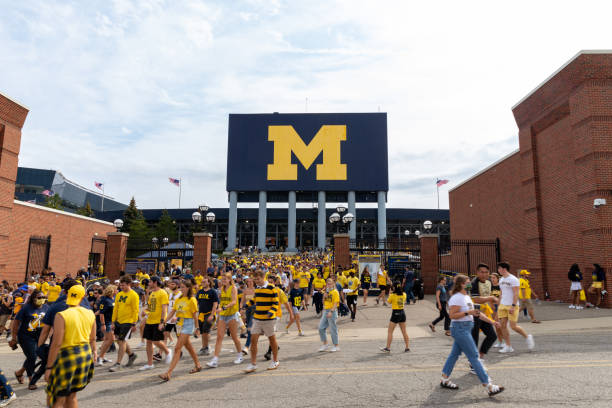
College sports is loved and adored by so many fans. The underdog in a college football game that pulls off an upset, the epic comebacks, the great plays and catches is what makes college football what it is. However, in recent years, College sports has been facing a spending epidemic. Colleges have been spending more and more on players for their teams. Ever since the NIL policy was put into effect in 2021 by the NCAA, the spending of college sports programs has been increasing slowly throughout the years. This year, most top 25 college football teams are spending around $10 million on players, with the most expensive team in Texas spending over $23 million dollars on NIL this football season. This is unsustainable for college football programs and the colleges themselves.
Firstly, it gives a big advantage to teams who spend big money. Players like Arch Manning, the starting quarterback for Texas, is receiving around $6.8 million dollars in NIL to be a mediocre college quarterback. C0mpare this to an athletic department like our hometown Nevada, who only spends $5 million dollars on their entire sports program per year.
Trump stated last Tuesday: “They gave scholarships, and they did lots of good things. But there could be some form of payments.” and “the NFL, and all of you know, all teams, they have (salary) caps. You don’t really have that in college sports.”
Colleges should implement salary caps. Instead of having colleges lure prospects by the cash they offer, they should go back to just giving scholarships and maybe a little cash on the side, but not much. However, the prospects should be more attracted to academics and the programs the school can provide for them in their athletics department instead of payment.
If colleges revert the spending and go back to scholarships and the opportunity of success the athletes can have at their programs, it will increase the athletes’ goal of making a bigger league, like the NFL or the NBA. Athletes have been staying in college for a full 7 years just so they can get the extra bonuses and money that NIL dishes out. It also will make smaller, not very rich programs to have a chance in the growing atmosphere of college football.
The addition of a 12 team playoff with 5 conference winners help make deserving, non recognized programs have a shot at the big stage. Unfortunately, as we saw last year with Boise State, the colleges don’t have a big shot due to the spending crisis. This would give these programs an actual shot at the national championship instead of being knocked out in the first round.
Overall, the removal of NIL would be beneficial for the colleges, and the athletes who want to make it pro. In reality, most college athletes won’t receive big NIL checks for the rest of their lives. They will eventually need to finish their degrees and be financially independent instead of relying on the yearly payments.